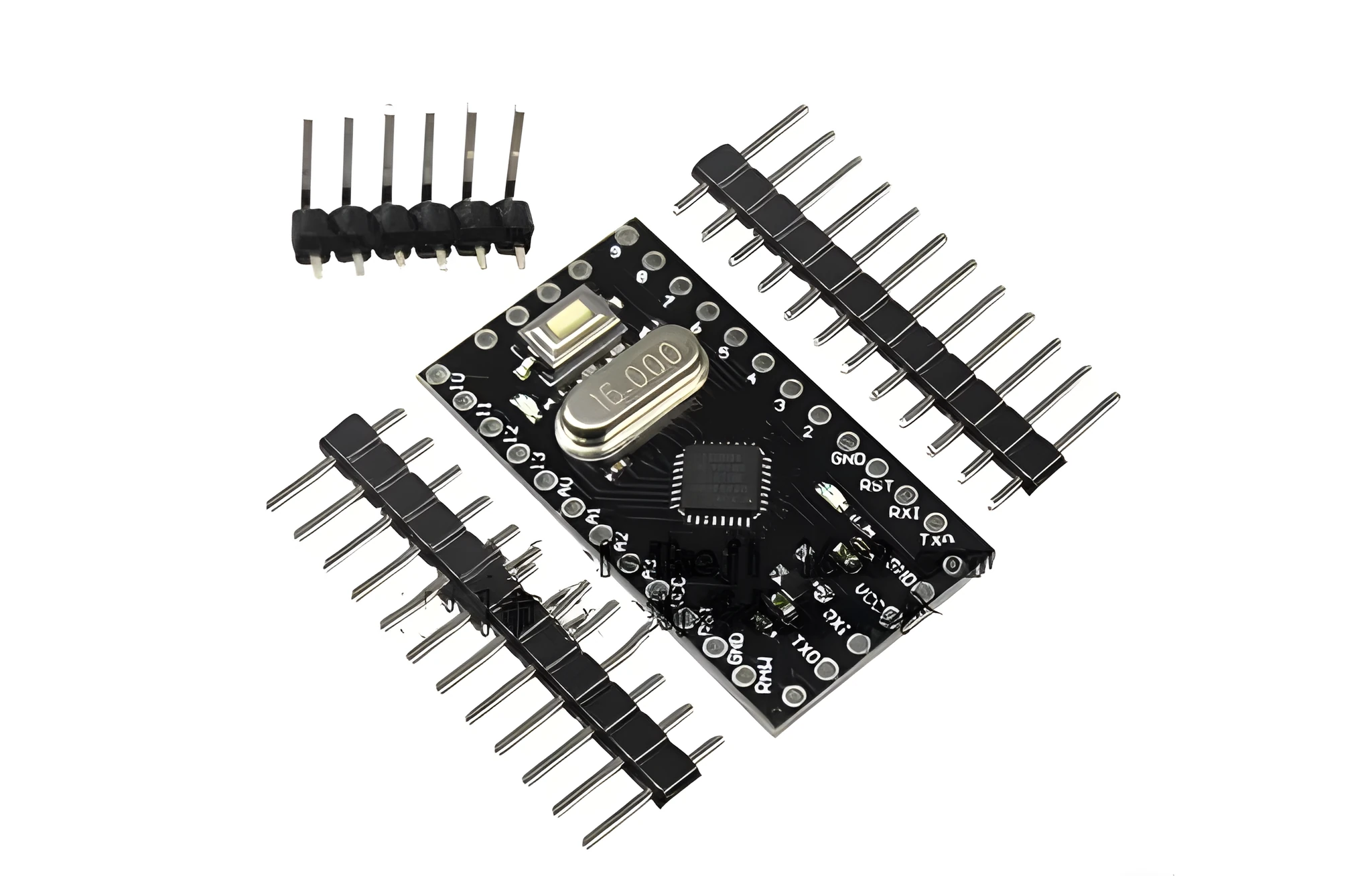
Mini Pro professional version microcontroller circuit board with ATMEGA328P 5V 16MHz processor, 14 digital I/O pins, 8 analog inputs, and 33.3mm x 18.0mm size for electronics projects and prototyping.


Mini Pro professional version microcontroller circuit board with ATMEGA328P 5V 16MHz processor, 14 digital I/O pins, 8 analog inputs, and 33.3mm x 18.0mm size for electronics projects and prototyping.
Mini Pro Professional Version Microcontroller Board with ATMEGA328P and 14 Digital I/O Pins
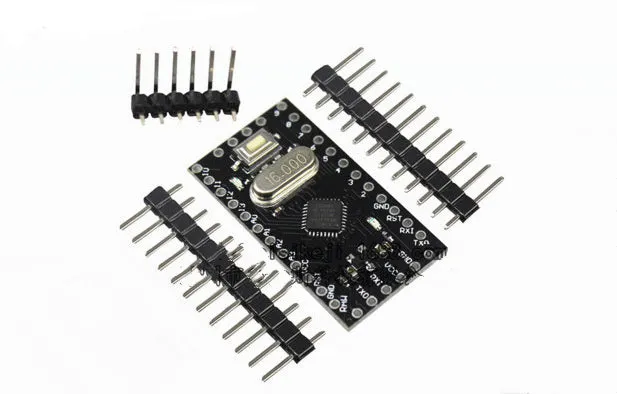
The Mini Pro professional version represents a focused microcontroller circuit board tailored for electronics enthusiasts, students, and developers engaged in prototyping and project creation. Its core is the Atmel Atmega328P-AU microcontroller, a widely recognised chip offering a balance of capability and accessibility. The board's compact 33.3mm by 18.0mm footprint is a key design consideration, allowing it to fit into space-constrained projects or educational kits. With a 16MHz resonator providing the clock frequency, it delivers the timing precision necessary for a variety of applications. The inclusion of mounting hole pin headers and a reset button underscores its design for practical integration, moving beyond a simple benchtop tool to a component ready for embedded use.
Features and Construction

This board is defined by a specific set of technical parameters that determine its capabilities and application scope. Its construction centres on providing accessible interfaces for digital and analogue signals, communication, and power.
Material and Build
The physical build includes pre-soldered pin headers designed for mounting, which facilitate a secure mechanical and electrical connection to a breadboard, custom PCB, or enclosure. The presence of a dedicated reset button on the board provides a straightforward method to restart the microcontroller without cycling power. These elements contribute to a board that is constructed for repeated use in prototyping scenarios where reliability and ease of access are practical concerns.
Size and Practical Fit
The precise dimensions of the board are 33.3mm in width and 18.0mm in height. This exact measurement is crucial for anyone designing a case, an enclosure, or planning the layout of a project where space is limited. Knowing this footprint allows for accurate planning and integration, ensuring the board fits as intended within a larger assembly, which is a fundamental practical advantage over unspecified or generic-sized boards.
Uses and Placement

The configuration of the Mini Pro board supports its use in diverse scenarios, from structured educational environments to independent project development.
Event or Professional Use
In professional prototyping or workshop environments, the board’s specification supports rapid concept testing. The 14 digital I/O pins and 8 analogue inputs allow for connecting a wide array of sensors, switches, LEDs, and other components simultaneously. The availability of six PWM outputs is particularly relevant for controlling motor speed, LED brightness, or servo position. The TTL-level serial port (RX/TX) enables communication with other devices like computers, GPS modules, or Bluetooth adaptors, making it suitable for data logging or networked project applications.
Everyday Home Use
For hobbyists and learners working on home electronics projects, the board's flexible power supply options add significant convenience. It can be powered from a benchtop DC supply set between 3.3V and 12V, or directly from a commonplace 9V battery, enabling the creation of portable, untethered devices. This versatility means a single project can transition from a desk prototype to a battery-operated finished item without changing the core control board, supporting a seamless development process for smart home gadgets, custom controllers, or interactive art installations.
Benefits and Buying Value
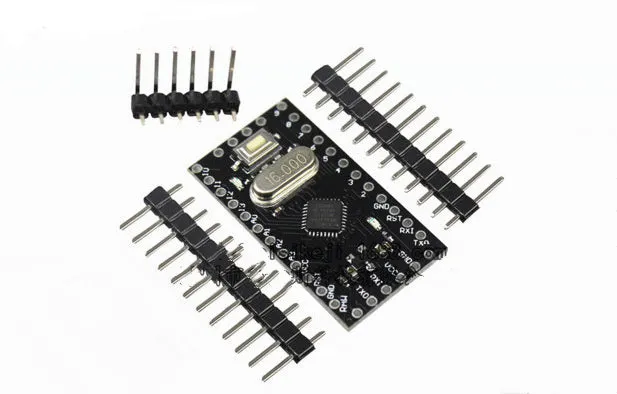
The value of this microcontroller board is grounded in its stated specifications and the practical flexibility they enable, rather than unsupported claims about performance or quality.
Reuse and Low Maintenance
The board is designed for reuse across multiple projects. The Atmega328P microcontroller supports serial download, meaning it can be reprogrammed countless times. This reusability transforms it from a single-project component into a long-term tool for learning and development. The minimal maintenance required—essentially just ensuring clean connections and appropriate power—means it can be a staple in a maker's toolkit, providing ongoing value.
Why Choose This Product
Choosing this specific board is a decision based on its concrete parameters. The combination of the ATMEGA328P processor running at 16MHz, the specific count of 14 digital and 8 analogue pins, and the compact 33.3mm x 18.0mm size creates a known, quantified profile. For a buyer comparing options, these exact numbers allow for a direct match against project requirements. The board's value lies in delivering this specific set of features in a physically defined package, offering a predictable and reliable foundation for electronics work where ambiguity in core specs is not desirable.