
Laser Rangefinder for Golf and Outdoor Use with 1500m High-Precision Measurement, Slope Function, and 6x Magnification Monocular Scope
DKW600m
£99.98
Skip to product information

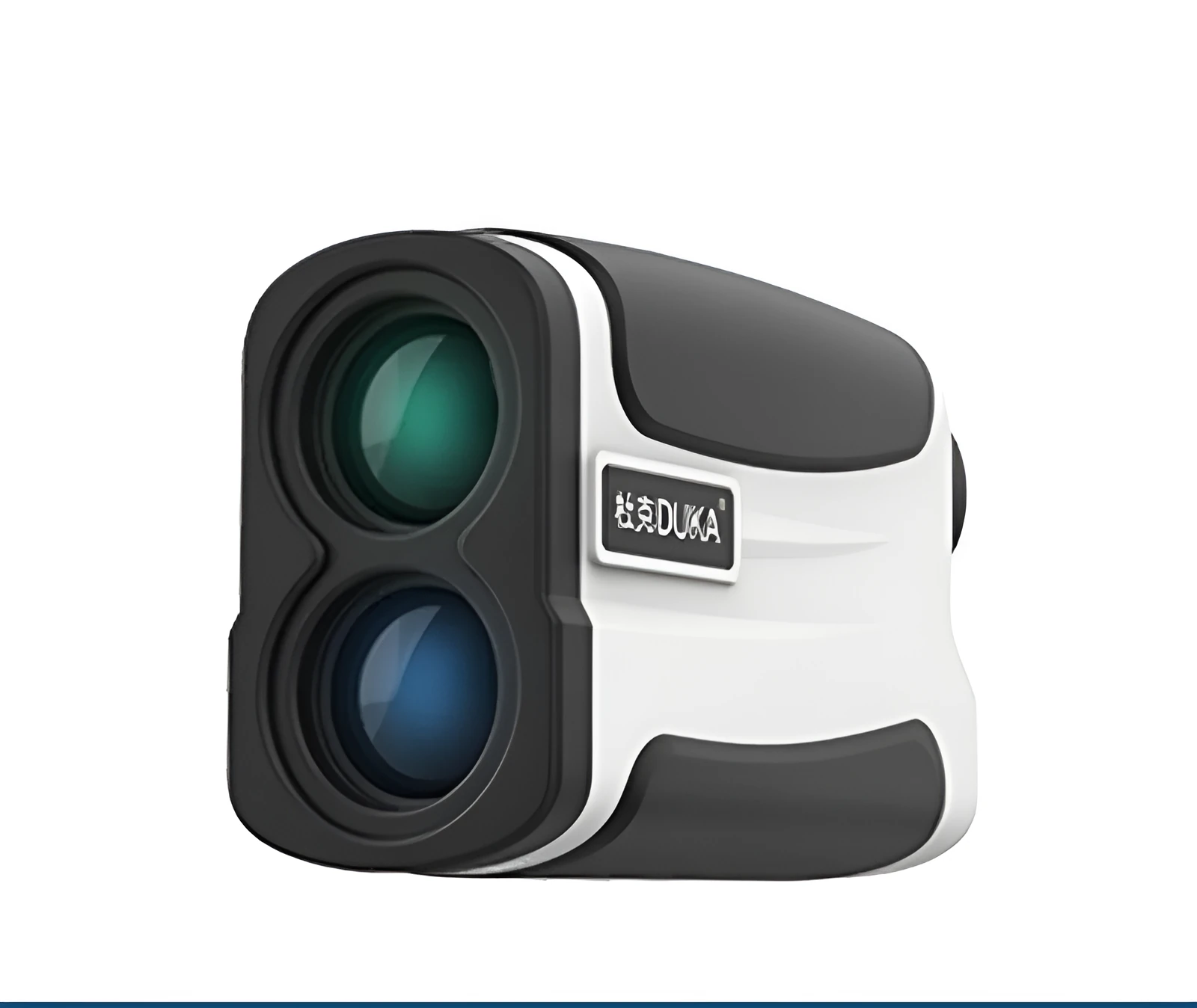
 Accurate distance measurement transforms decision-making on the golf course and in the great outdoors. This laser rangefinder delivers that capability, employing advanced laser technology to provide instant, reliable measurements up to 1500 metres away. It eliminates estimation errors that can cost strokes on the links or lead to poor planning during hiking, hunting, or surveying. The device is not just about raw distance; its integrated slope function analyses the angle to your target, automatically calculating the adjusted playing distance—a game-management tool that accounts for elevation changes critical to club selection. With a 6x magnification monocular, targets are brought into sharp focus, making it easier to pinpoint the flagstick or a specific landmark quickly and confidently.
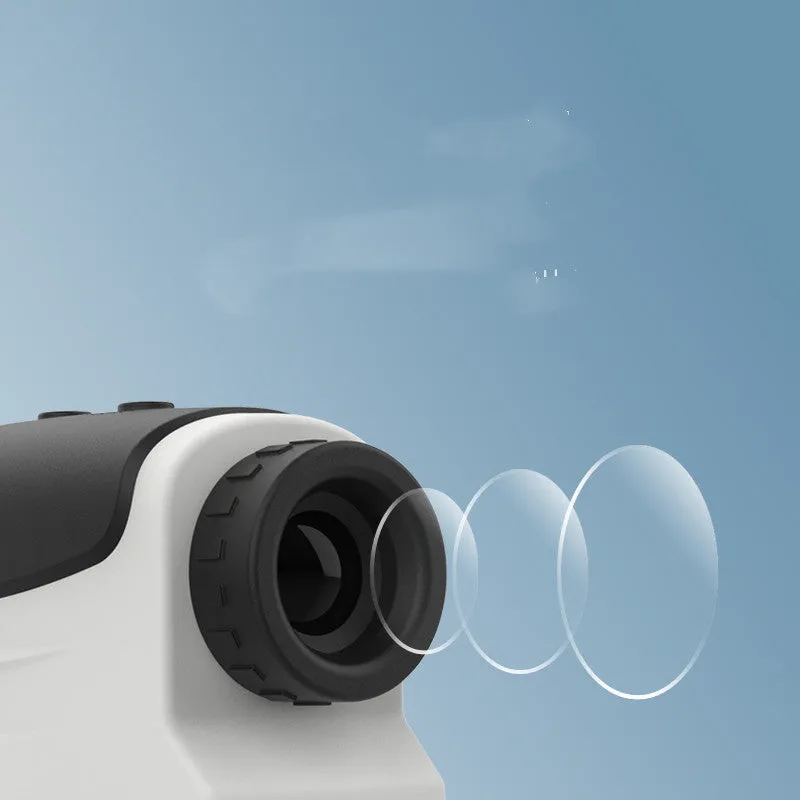
 This section details the specific technical attributes and build quality that enable the rangefinder's performance, from its laser emission system to its user-oriented design features.
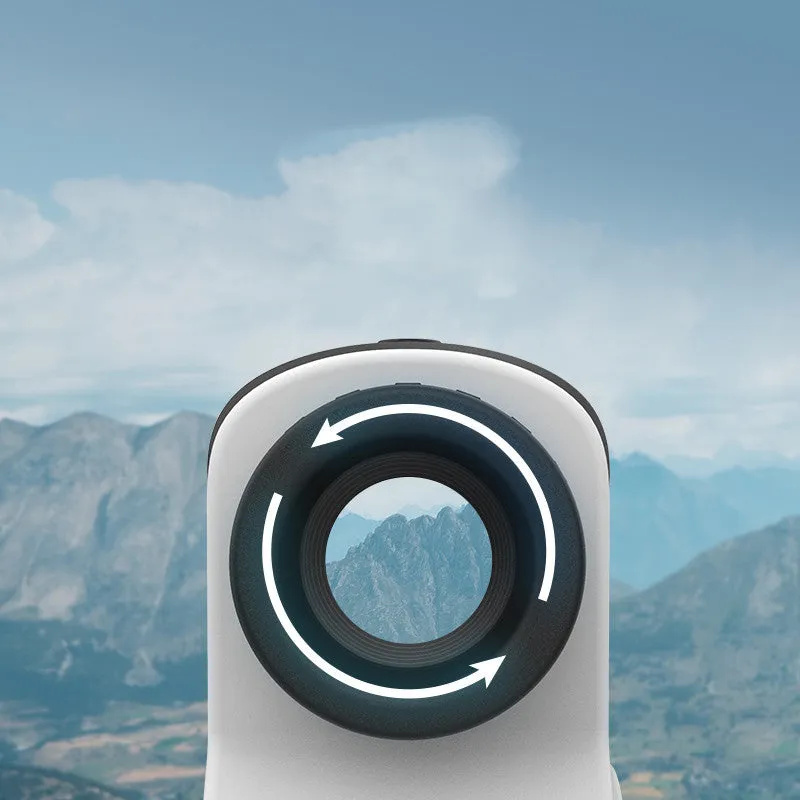 The rangefinder's specifications make it suited to a variety of settings where knowing exact distance improves outcomes, from recreational sports to professional tasks.
 Investing in a precise measuring tool offers advantages that extend beyond the initial purchase, impacting performance, satisfaction, and overall value over time.
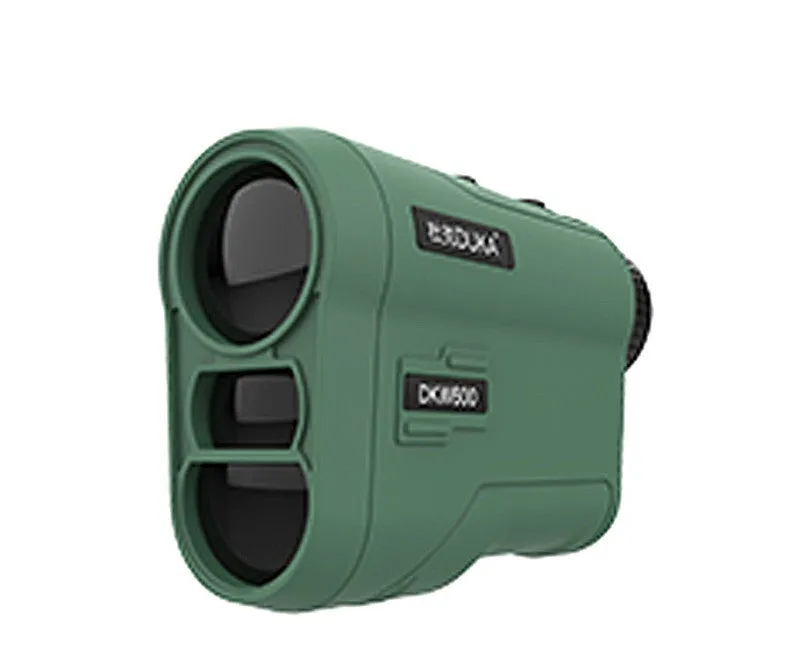


Laser Rangefinder for Golf and Outdoor Use with 1500m High-Precision Measurement, Slope Function, and 6x Magnification Monocular Scope
£99.98
High-Precision Laser Rangefinder for Golf and Outdoor Use with 1500m Range and Slope Calculation
Features and Optical Quality of the Rangefinder
Laser Ranging System and Magnification
At the core of the device is a laser diode that emits a beam to calculate distance based on the time it takes for the reflection to return. This system enables the stated maximum measurement of 1500 metres with a high degree of precision, suitable for long-range applications. Viewing is facilitated through a monocular optical system offering 6x magnification. This level of magnification provides a sufficiently detailed image to distinguish specific targets, like a golf pin against a busy background, without excessive hand-shake amplification that can occur with higher powers, striking a balance between detail and usability in the field.Slope Function and Distance Adjustment
The slope function is a significant technical feature for golfers. It uses an internal inclinometer to measure the angle between the device and the target. Using this data, it computes the actual playing distance, which differs from the straight-line laser measurement on sloped shots. For example, a shot to an elevated green may show a line-of-sight distance of 150 yards, but the slope-adjusted distance—the yardage you would play—could be 160 yards. This provides a concrete, data-driven advantage for course management, helping players select the correct club for the effective distance, not just the visual one.Durability and Ergonomic Design
Constructed for outdoor environments, the rangefinder's housing is designed to be resilient against the knocks and vibrations encountered during a round of golf or a day out walking. Its ergonomics are centred on single-handed operation; buttons are positioned for easy access by the thumb, and the shape is contoured to fit securely in the hand. This design consideration means you can retrieve the device, take a measurement, and return it to your pocket or bag with minimal disruption to your activity, whether you're preparing for a shot or navigating terrain.Practical Applications and Usage Scenarios
Professional and Sporting Use
For golfers, the device is a practical tool for every shot beyond putting. Use it from the tee to gauge the distance to hazards or the ideal landing area. On the approach, lock onto the flag to get the precise yardage, factoring in slope if allowed under local rules. Course managers and landscapers can use it to measure distances for planning layouts or installations. In field sports like archery or shooting sports, it can provide quick range estimations to targets, aiding in sight adjustment and technique practice in a measurable way.Everyday Outdoor and Leisure Use
Versatility Across Different Ranges The availability of models with different maximum ranges—600m, 800m, 1200m, and 1500m—adds a layer of versatility. A golfer who typically plays shorter parkland courses might find the 600m model perfectly adequate and potentially more compact or cost-effective. In contrast, someone involved in land surveying or long-range target sports would benefit from the extended capability of the 1500m model. This allows you to match the tool's specification directly to your most common use case, ensuring you pay for the performance you need without unnecessary excess.Long-Term Benefits and User Value
Value Through Improved Performance and Accuracy
Satisfaction from Confidence and ControlUsing the rangefinder provides a tangible sense of control. The uncertainty of "how far?" is replaced with a specific number. This data-driven confidence is particularly noticeable on unfamiliar courses or in complex outdoor situations. The peace of mind comes directly from the device's technical specs: knowing the laser is accurate to within a yard, and the slope function has accounted for the hill, allows you to focus entirely on executing your shot or next move, not second-guessing the distance. It turns a variable into a constant, simplifying decision-making.Call to Action: Select Your Measurement Range
To integrate this level of precision into your golf bag or outdoor kit, review the available models based on your typical requirements. Consider the longest distance you regularly need to measure. If your golf course has long par 5s or you often scout wide-open terrain, the 1200m or 1500m model provides the necessary headroom. For standard course play, the 600m or 800m versions offer ample range. By choosing the tool with the right specification, you ensure every measurement is reliable, supporting better decisions wherever your pursuits take you.