
Wildfire Glasses FPV Dual Receiver at 58g: Compatible with Fat Shark Flying Shark for immersive drone racing and cinematic flying
Black
£307.98
Skip to product information

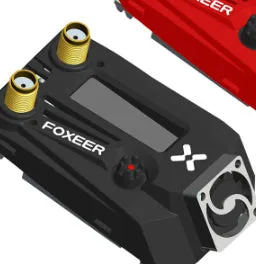 The Wildfire FPV Glasses are built around a dual-diversity receiver system housed in a unit weighing just 58 grams. This combination aims to deliver a more reliable video signal from your drone while significantly reducing the physical load on the pilot during extended use. Compatible with Fat Shark Flying Shark goggles, they offer an upgrade path for pilots in that ecosystem seeking improved signal reception. Powered by a battery, they eliminate the need for a tether to a ground station, granting greater freedom of movement. This is particularly advantageous for drone racers who need to shift position to follow the action or for cinematic flyers capturing dynamic shots across a large area. The target user is typically within the 15 to 35-year age bracket, engaged in activities where a first-person view is critical for control and immersion.
 This section details the specific technical and construction elements of the Wildfire Glasses, focusing on how its measured specifications translate to performance in the field. We will examine the implications of its dual-receiver architecture, the practical benefits of its ultra-lightweight form, and the flexibility afforded by its power system.
 Understanding the specific use cases where the Wildfire Glasses' features provide distinct advantages helps illustrate their value. From the structured environment of competitive racing to the creative demands of filming, these applications highlight the product's role in the pilot's toolkit.
 The investment in FPV equipment is evaluated on both immediate performance and durability over time. Here we break down the concrete benefits the Wildfire Glasses offer and what they mean for a pilot's setup in the long run.



Wildfire Glasses FPV Dual Receiver at 58g: Compatible with Fat Shark Flying Shark for immersive drone racing and cinematic flying
£307.98
Wildfire Glasses FPV Dual Receiver: 58g Lightweight Design for Fat Shark Compatible Immersive Flying
Features and Build Quality of the Wildfire FPV Receiver
Dual-Diversity Receiver Design
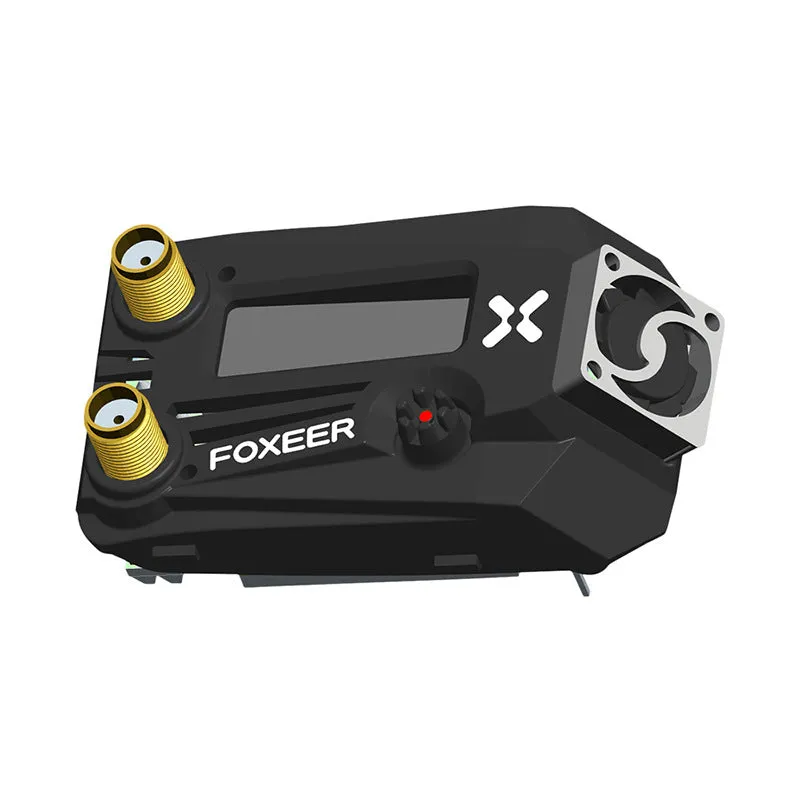
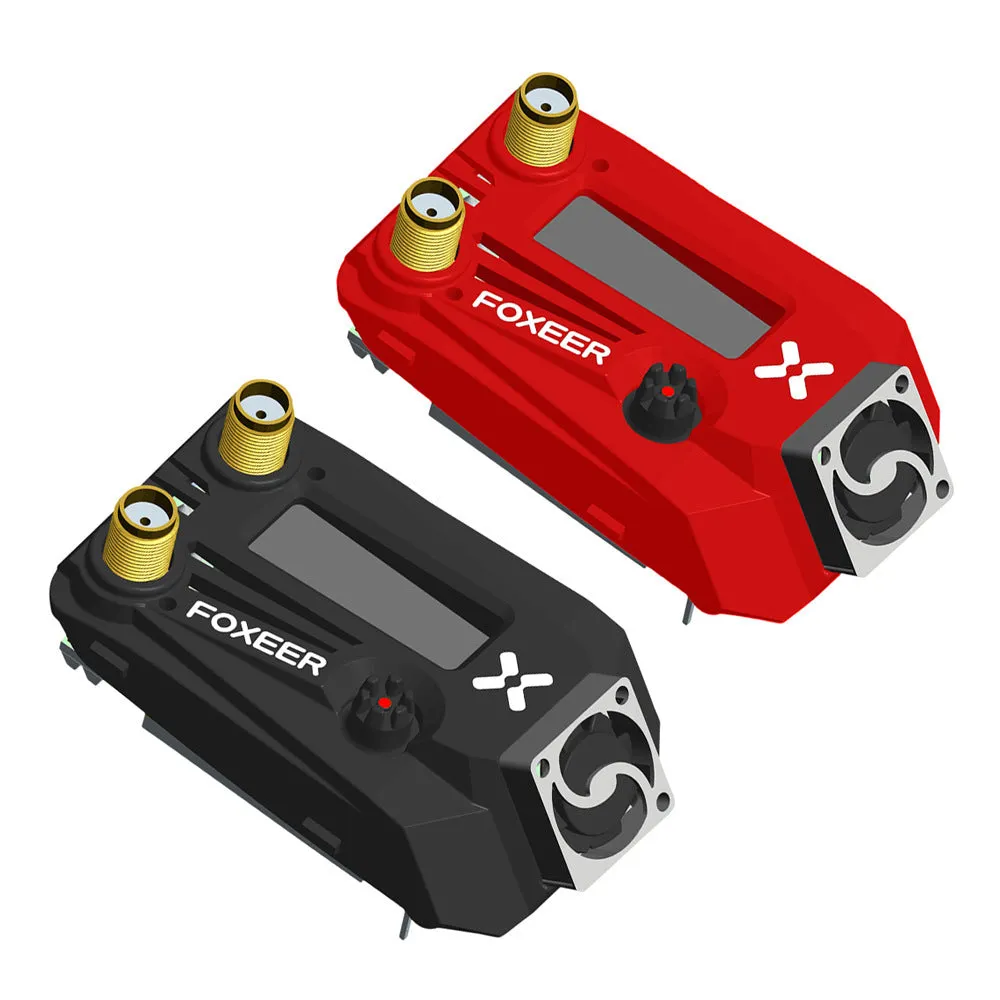
The core technical feature is the inclusion of two receivers. In FPV systems, a diversity setup automatically selects the strongest signal from two antennas. This technology helps mitigate 'multipathing' interference, where signals bounce off obstacles, and reduces the likelihood of complete video loss when flying behind objects like trees or buildings. For the pilot, this means a more consistent and reliable video feed, which is a measurable benefit when maintaining visual contact is paramount for navigation and safety during high-speed racing or complex freestyle manoeuvres.Ultra-Lightweight 58g Construction
Weighing only 58 grams, the construction prioritises reducing pilot fatigue. Traditional FPV goggles can be front-heavy, causing neck strain over sessions lasting several hours. A reduction in mass, especially when mounted on a headset, directly impacts comfort. This allows pilots to focus on flying for longer periods without discomfort becoming a distracting factor. The specific weight saving makes these glasses suitable for marathon practice sessions, competitive race days, or lengthy filming projects where equipment comfort directly affects endurance and concentration.Battery-Powered Operational Freedom
Unlike modules that draw power from the goggles themselves or require an external DC source, the Wildfire Glasses use an integrated battery. This removes a cable connection, a common point of failure or snagging. The practical benefit is untethered mobility; a pilot can walk around a race track, follow their drone's line of flight, or simply adjust their position without being constrained. This is a tangible advantage in dynamic flying environments and simplifies setup, as you only need to ensure the internal battery is charged rather than managing additional power cables and connectors.Practical Applications for FPV Pilots
Professional and Competitive Drone Racing
In the high-stakes environment of drone racing, every millisecond of latency and every pixel of clarity counts. The dual-receiver system's primary value here is maintaining a clean signal through the metal gates and around the concrete obstacles typical of a race course. Signal dropout at a critical moment can mean the difference between winning and crashing. The 58g weight is equally critical for racers, who often compete in multiple heats over a day. Reduced neck strain helps maintain peak physical comfort and mental focus throughout a long competition, where fatigue can degrade reaction times and decision-making.Everyday Freestyle and Cinematic Flying
For freestyle pilots and aerial cinematographers, the experience is about fluidity and creative expression. The stable feed from the diversity receivers provides the confidence to fly behind natural features for dramatic reveals or through tight gaps. The physical sensation of using the glasses, due to the lightweight 58g design, is one of forgettable comfort, allowing the pilot to become fully immersed in the flight experience rather than conscious of the equipment on their head. The battery power means you can capture that perfect sunset shot from a hilltop without searching for a power outlet, focusing purely on the composition and flight path.Versatility for Training and Simulator Use
Beyond field flying, the Wildfire Glasses offer utility for training. Their compatibility with the Fat Shark ecosystem means they can often be used with HDMI input sources. This allows pilots to connect them to FPV simulators running on a computer, providing a more authentic practice experience with their actual field gear. Practising with the same lightweight unit you fly with helps build muscle memory and familiarity, making the transition from simulator to real-world flying smoother and more effective. This versatility extends the product's value beyond a single, field-only use case.Measurable Benefits and Long-Term Value
Value Through Enhanced Signal Reliability
The measurable advantage of the dual-receiver system is a reduction in video failsafes and signal-induced crashes. While dependent on the environment and transmitter, the technology objectively improves link robustness. This can lead to tangible cost savings by preventing expensive repairs to drones damaged due to lost video. For professionals whose income depends on capturing footage, a reliable video link minimises the risk of missing a crucial shot or losing a drone on a commercial job, protecting both equipment and reputation.Satisfaction from Reduced Pilot Fatigue
Comfort in FPV gear is often overlooked until it becomes a problem. The 58g weight specification directly addresses this. The emotional benefit is increased enjoyment and longer, more productive flying sessions without the nagging discomfort of a heavy front load. The peace of mind during a long day of flying comes from knowing your equipment won't become a physical distraction, allowing you to maintain confidence and focus solely on piloting skills and creative execution throughout your session.Call to Action: Upgrade Your FPV Experience
If you're flying with a Fat Shark compatible system and seeking a more reliable video link with the added benefit of significantly reduced weight, the Wildfire Glasses present a clear upgrade path. The specific combination of dual-diversity reception at 58 grams addresses two common pilot pain points: signal dropouts and physical fatigue. Consider integrating this receiver to potentially lower your crash rate due to video loss and to make your extended flying practice or filming days more comfortable and focused.