
Virtual Keyboard Development Module with ATMEGA32U4 MCU and USB Interface for Custom HID Projects and Single-Chip Programming
ATMEGA32U4
£20.98
Skip to product information

 This virtual keyboard development module is a dedicated platform for engineers, hobbyists, and students building custom USB input devices. Centred on the ATMEGA32U4 microcontroller, which supports native USB communication, it removes the complexity of adding separate USB interface chips to your design. The board measures 50mm by 16mm, offering a practical work area for soldering components like Cherry MX-style switches. With a standard USB data rate, it ensures every programmed keypress is registered by your computer without delay, making it suitable for prototyping everything from ergonomic keyboards to specialised macro pads.
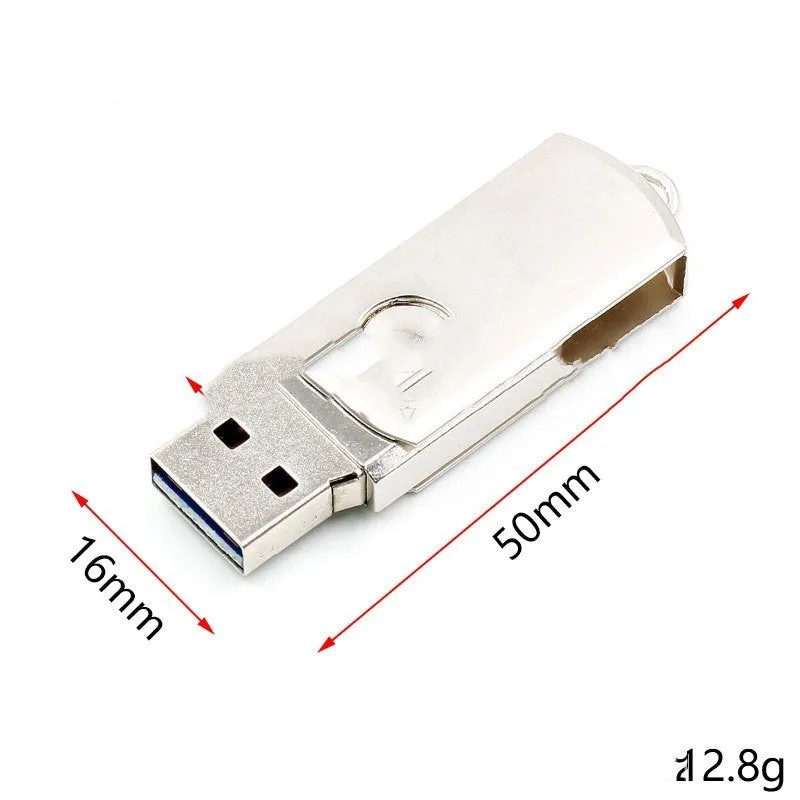 This section details the specific technical attributes and construction of the USB keyboard module. We will examine the integrated microcontroller's capabilities, the board's physical specifications that aid prototyping, and the inclusion of essential digital resources to accelerate your development workflow.
 This versatile development board serves multiple roles in electronics prototyping. Below are specific scenarios where its combination of a programmable MCU and native USB proves advantageous, from professional tool creation to personal hobbyist projects.
 Selecting this pre-assembled development board offers measurable advantages over sourcing components individually. Here we outline the long-term value, user-centric advantages, and the specific reasons it represents a sensible investment for your project.


Virtual Keyboard Development Module with ATMEGA32U4 MCU and USB Interface for Custom HID Projects and Single-Chip Programming
£20.98
ATMEGA32U4 Virtual Keyboard Development Module for USB HID Prototyping and Single-Chip Projects
Features and Build Quality of the Development Module
ATMEGA32U4 Microcontroller Core
The module's functionality is driven by the ATMEGA32U4, an 8-bit AVR microcontroller with 32KB of flash memory. Its integrated USB 2.0 full-speed controller is the key feature, allowing the chip to enumerate as a standard keyboard, mouse, or joystick without additional components. This integration simplifies circuit design and firmware development, as you can programme it using common tools like the Arduino IDE with the Leonardo board profile, focusing on key mapping logic rather than low-level USB protocol handling.Compact Prototyping Board Dimensions
The printed circuit board provides a 50mm by 16mm footprint. This size is a practical compromise: it is large enough to accommodate a matrix for several keys, including space for diodes and header pins, yet remains small enough to fit into custom enclosures or be used as a sub-module in larger projects. The standard 2.54mm (0.1-inch) hole spacing for components is compatible with most through-hole switches and standard prototyping accessories.Included Digital Resources Package
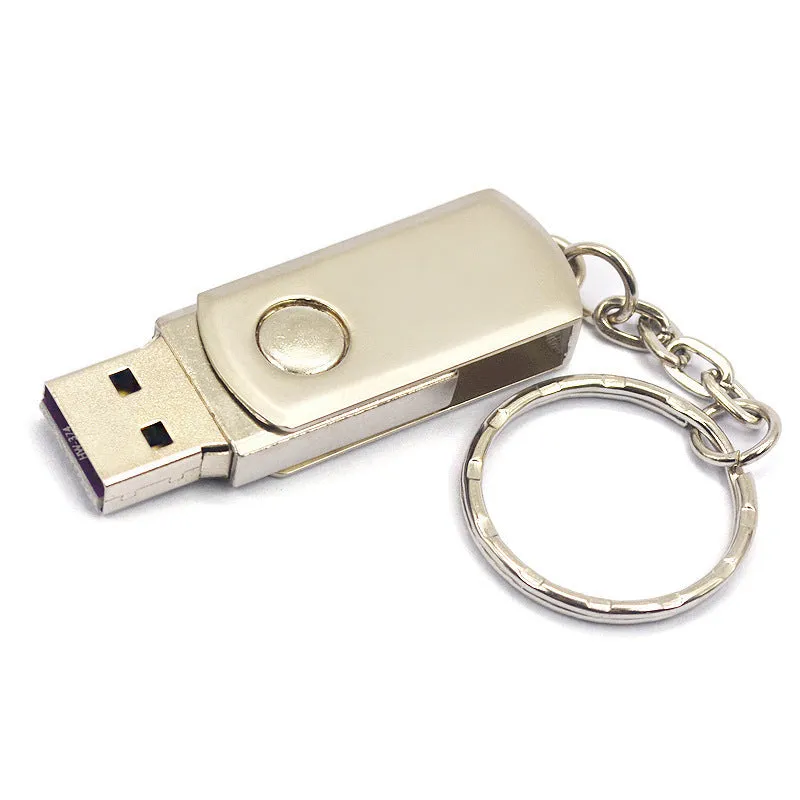
Your purchase includes a USB storage device. This likely contains foundational firmware, such as pre-compiled .hex files or example sketches, that demonstrate basic HID functionality. It may also hold schematic diagrams for the module, datasheets for the ATMEGA32U4, and links to community-driven libraries. This resource package provides a concrete starting point, saving hours of initial research and setup for your virtual keyboard project.Practical Applications for the USB Module
Professional Prototyping and Testing
For product developers, this module acts as a rapid testbed for novel input methods. You could prototype a keyboard with a non-standard layout, such as a chorded keyboard for data entry, or create a dedicated control panel for video editing software. The ability to programme complex macros and layer functionalities directly onto the ATMEGA32U4 allows for the creation of tailored tools that can streamline specific professional workflows before committing to a final, custom PCB design.Everyday DIY Electronics and Learning
For the hobbyist, the tactile process of soldering switches onto the board and writing simple Arduino sketches to make them work provides a rewarding, hands-on introduction to embedded systems and USB protocols. The immediate feedback of pressing a physical key you've installed and seeing a character appear on screen, made possible by the direct USB connection, offers a clear and satisfying link between hardware assembly and software coding.Versatility in Custom Device Creation
Beyond standard keyboards, the module's programmability supports alternative HID devices. It can be configured as a numeric keypad, a game controller with analogue inputs via its spare GPIO pins, or an accessibility device with customised large-format switches. The standard data rate ensures compatibility across operating systems, making it a reliable core for one-off devices designed for specific user needs, from gaming to assistive technology.Tangible Benefits of Choosing This Module
Value in Accelerated Development Time
The primary value is time saved. By providing a tested board with the USB circuitry already resolved and a known-working microcontroller, it eliminates common debugging phases related to USB power regulation or signal integrity. For a developer costing their time, this can reduce the prototype phase from weeks to days. The included USB drive with resources further reduces initial setup time, providing immediate, concrete materials to work from.Satisfaction Through Direct Control and Customisation
The satisfaction stems from complete ownership over the device's function. The confidence that you can reprogramme any key's action or add lighting effects comes from the accessible nature of the ATMEGA32U4 and its supporting open-source toolchains. This peace of mind is directly provided by the module's design, which exposes the microcontroller's programming headers and I/O pins, ensuring you are never locked out of modifying your creation.Call to Action for Your Next Project
If you have a concept for a custom input device, this module provides the verified hardware foundation. Begin prototyping your unique keyboard or controller today on the 50mm by 16mm board with the integrated ATMEGA32U4. Connect it via USB, use the supplied resources, and translate your idea into a functioning prototype without navigating the initial hurdles of USB hardware design.