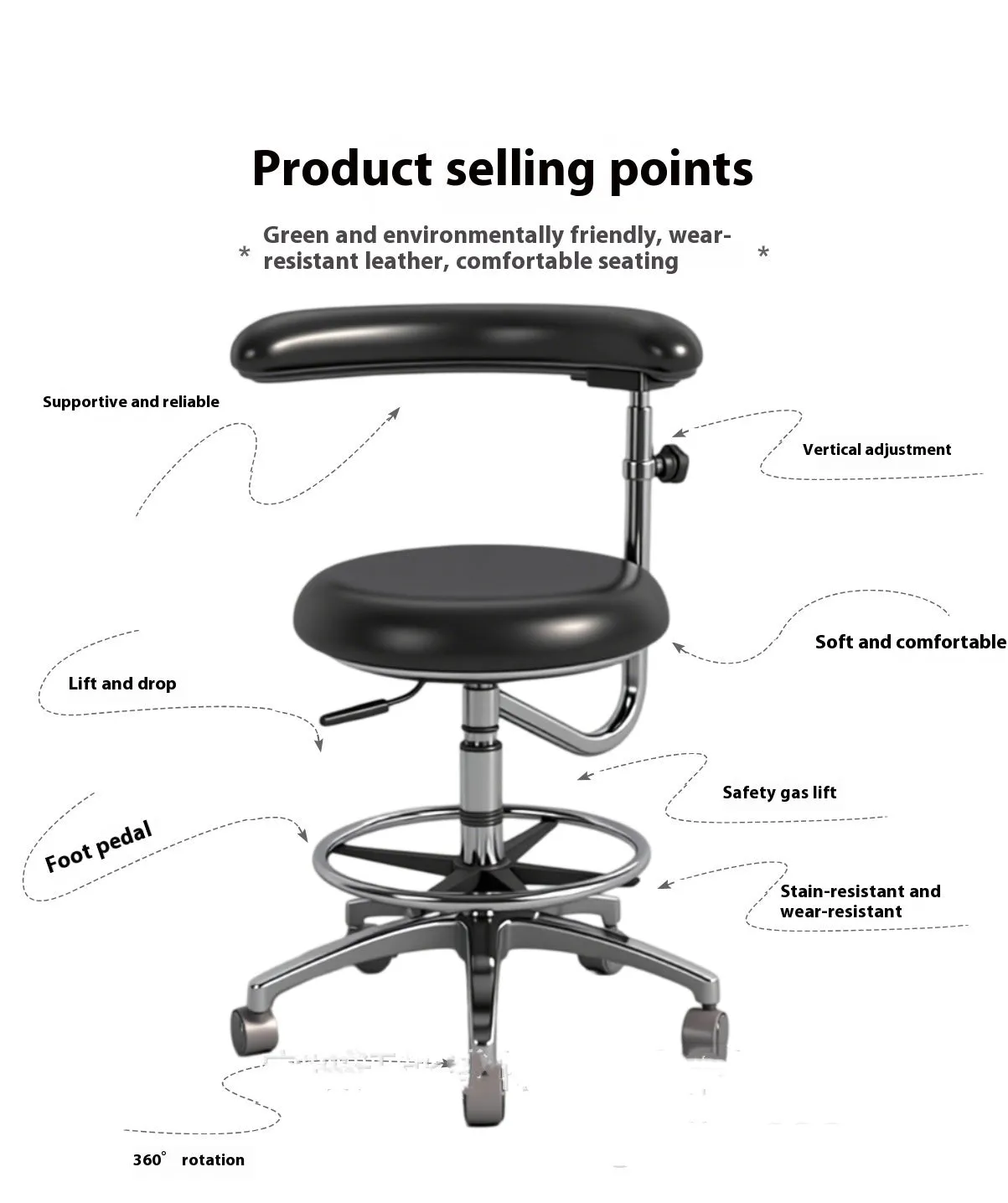
Dental hospital dentist seat nurse chair with manual hydraulic lift mechanism in durable black leather upholstery, clinical examination chair for dental practices and medical clinics, adjustable height patient chair


Dental hospital dentist seat nurse chair with manual hydraulic lift mechanism in durable black leather upholstery, clinical examination chair for dental practices and medical clinics, adjustable height patient chair
Black Leather Dental Chair with Manual Hydraulic Lift Mechanism for Clinical Environments

This dental examination and treatment chair delivers practical height adjustment through its manual hydraulic lift system, supporting patient positioning during dental procedures and clinical assessments. The black leather upholstery provides a wipe-clean surface suited to clinical hygiene requirements, while the complete unit arrives ready for installation in dental practices, medical clinics, or hospital dental departments. Its straightforward mechanical operation makes it suitable for regular clinical use where reliable, controlled elevation supports treatment workflow.
Features and Construction
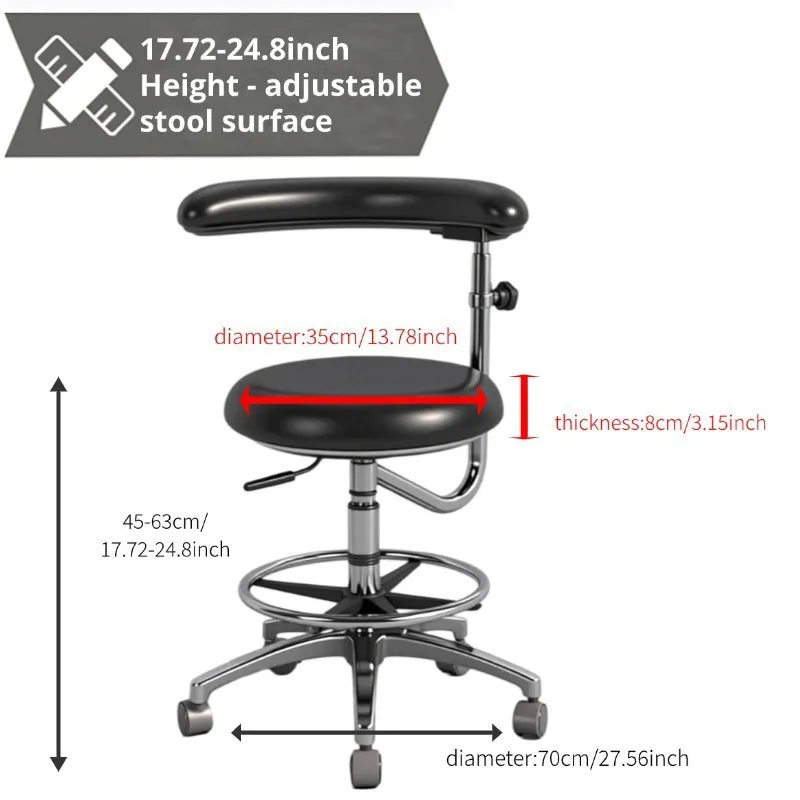
The chair incorporates several practical elements designed for clinical environments, focusing on functionality and maintenance considerations rather than aesthetic appeal.
Material and Build
Black leather covers the seat and backrest areas, creating a non-porous surface that resists liquid absorption and supports cleaning with clinical disinfectants. The leather construction avoids fabric upholstery that might harbour microorganisms in clinical settings, while providing durability against regular use by patients of varying weights. The manual hydraulic mechanism operates without electrical components, reducing maintenance complexity in clinical environments.
Size and Practical Fit
Supplied as one complete chair unit, the product arrives ready for assembly and installation rather than requiring multiple component connections. The hydraulic lift provides adjustable height positioning to accommodate different practitioner preferences and patient access requirements during dental procedures. The chair dimensions suit standard dental surgery layouts while supporting patient comfort during extended treatment sessions.
Uses and Placement

The chair serves multiple clinical functions where patient positioning directly supports treatment delivery and examination procedures.
Event or Professional Use
In dental practices and clinics, the chair supports routine examinations, cleaning procedures, fillings, and other dental treatments requiring controlled patient positioning. The hydraulic lift allows practitioners to adjust height according to procedure requirements and their own working preferences. Medical clinics can utilise the chair for minor procedures and examinations where patient elevation improves access and visibility.
Everyday Home Use
While primarily designed for clinical environments, the chair could serve specialised home healthcare situations where adjustable patient positioning supports care delivery. Its manual operation avoids electrical dependency that might fail in residential settings, while the leather upholstery maintains hygiene standards when cleaning between uses. The straightforward mechanism requires minimal technical knowledge for operation.
Benefits and Buying Value
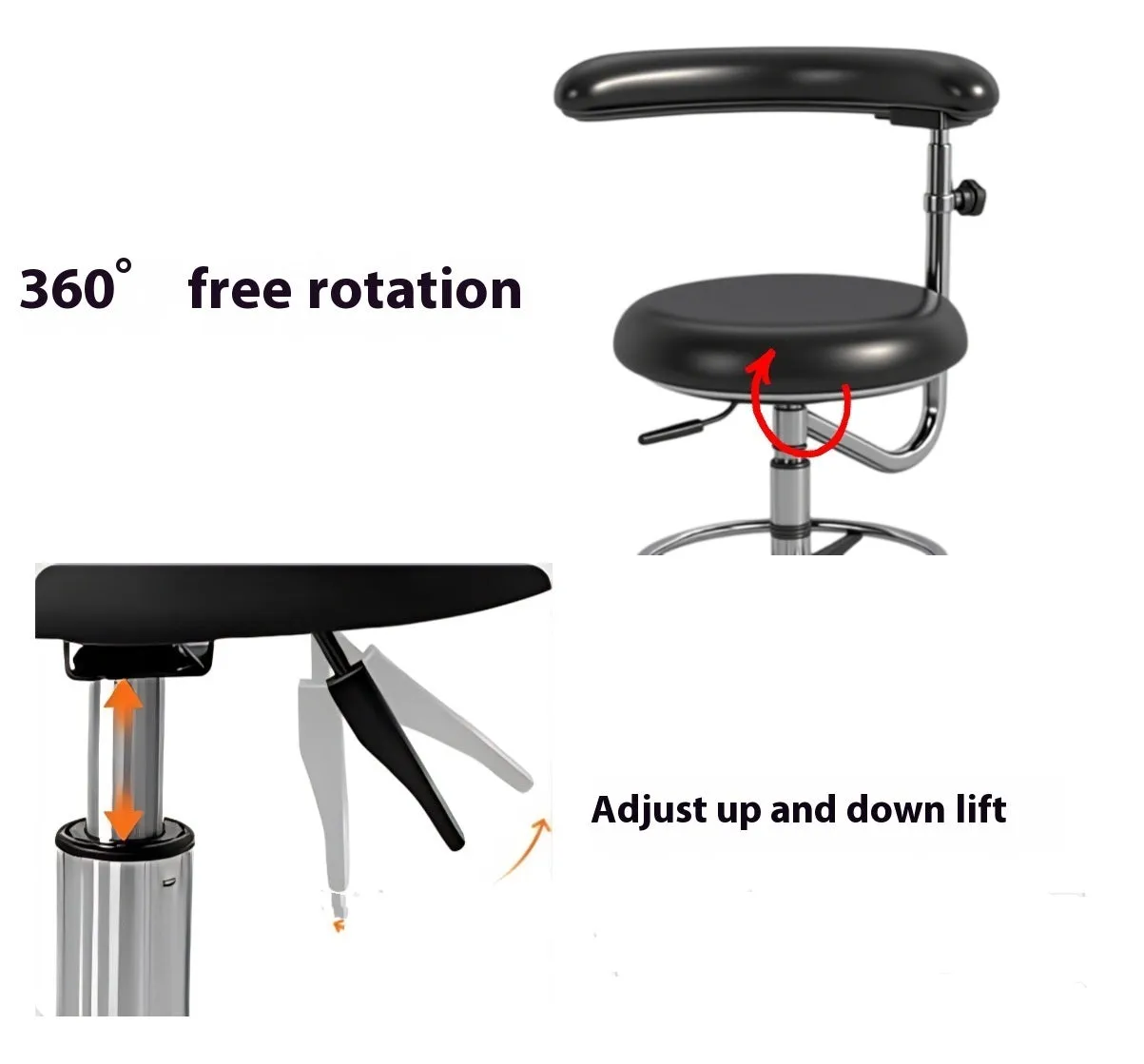
The chair delivers practical advantages through its construction and operation, focusing on clinical functionality rather than aesthetic considerations.
Reuse and Low Maintenance
The manual hydraulic mechanism operates without electrical components that might require specialist servicing or replacement parts. Leather upholstery withstands regular cleaning with clinical disinfectants without deteriorating, supporting long-term use across numerous patient appointments. The complete unit supply reduces installation complexity compared to chairs requiring multiple component assembly.
Why Choose This Product
Clinical environments benefit from the wipe-clean leather surfaces that maintain hygiene standards between patient appointments. The manual hydraulic lift provides reliable height adjustment without electrical system dependencies that might fail during critical procedures. Dental practices receive a complete chair unit ready for installation rather than managing complex assembly processes before clinical use can begin.